
Green energy
Green Energy and Sustainability
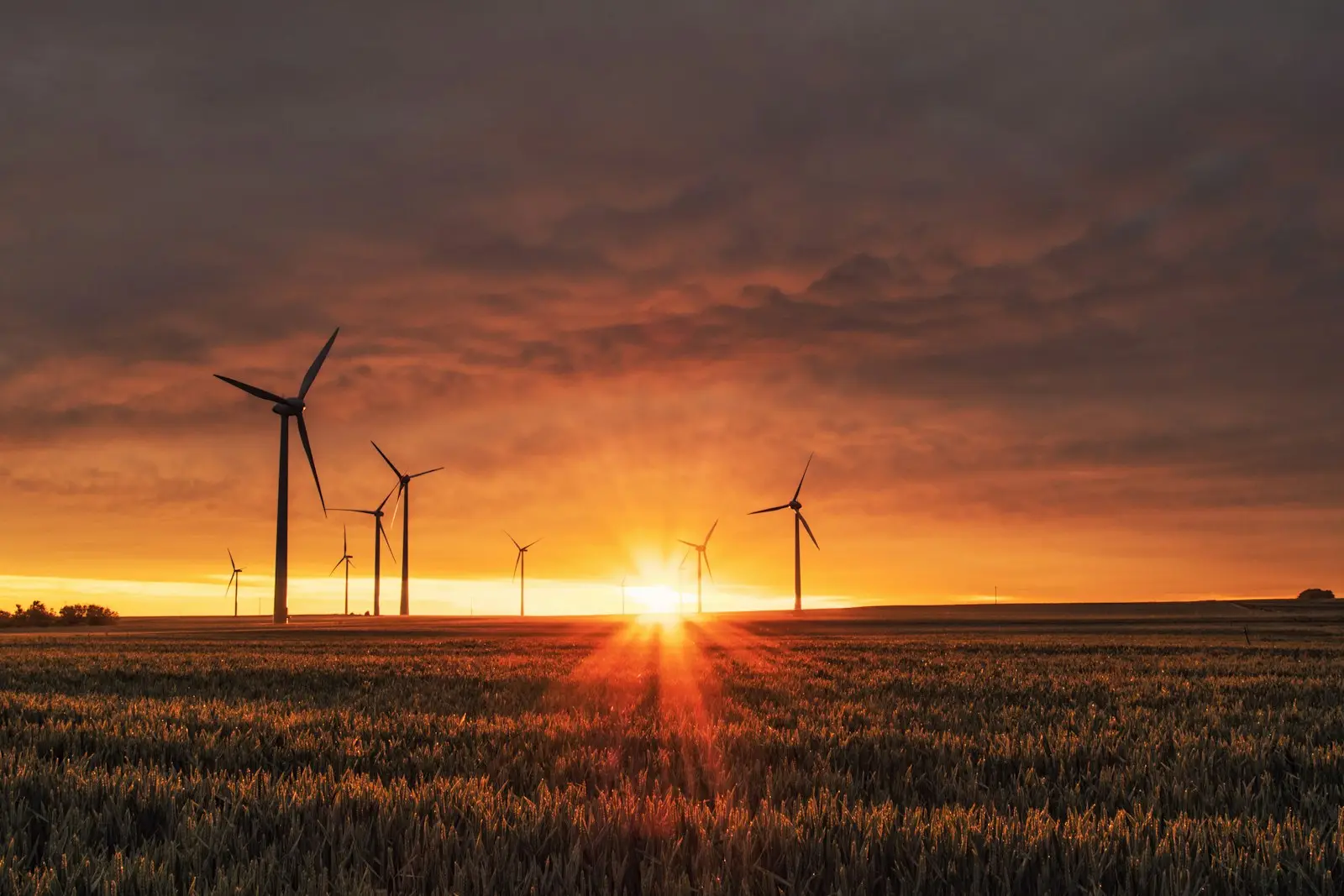
Our hosting operations rely primarily on solar and wind energy — helping customers mine with a lower environmental footprint.
Wind
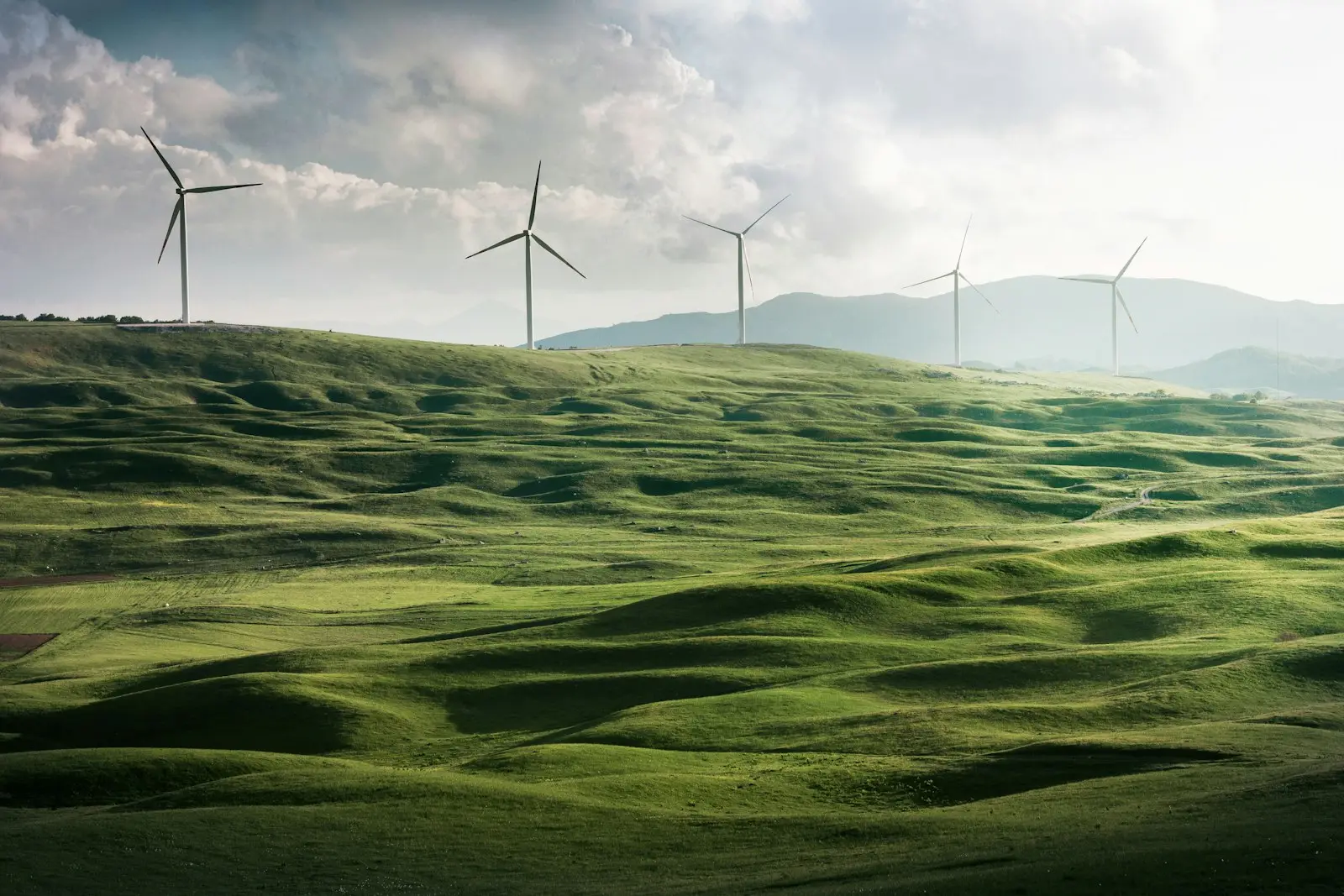
North Dakota's wind resource
North Dakota is among the windiest states in the US, and wind generation is a major part of the regional power mix. Mining loads can be flexible, helping make productive use of renewable generation.
Solar
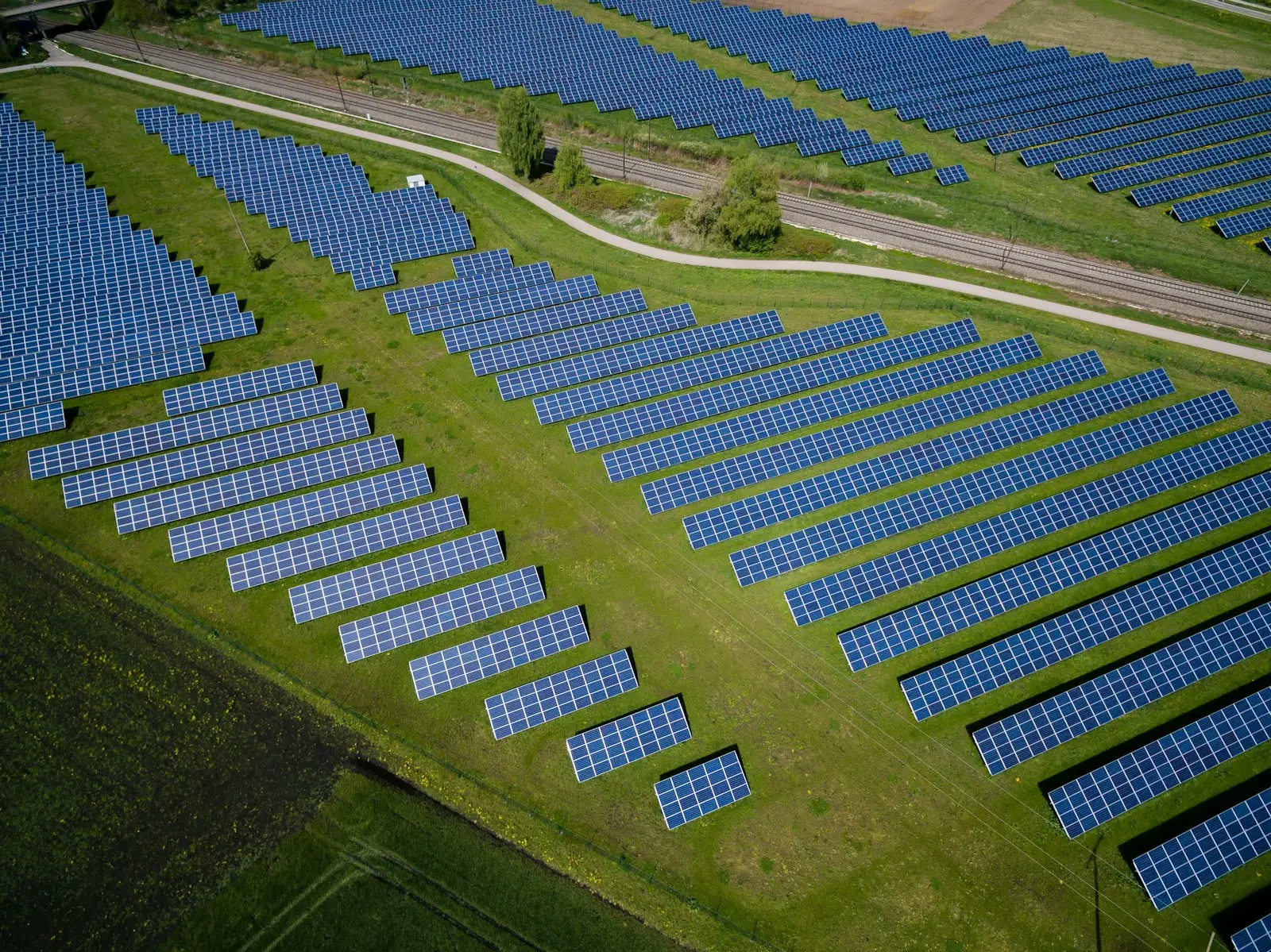
Solar generation supporting daytime load
Solar arrays contribute generation during daylight hours, complementing wind output across seasons.
Transparency
Honest energy reporting
We describe our operations as powered primarily by solar and wind energy. We do not claim 100% renewable supply unless independently verified. Energy-mix details are available on request during the quotation process.
- [Placeholder: verified renewable share %]
- [Placeholder: energy supply agreements]
- [Placeholder: certifications, if any]
Solar Generation and the Daytime Mining Load
Solar photovoltaic panels convert sunlight into direct-current electricity. Inverters convert that output into alternating current for use by electrical equipment or delivery to a grid. Actual production depends on sunlight, panel orientation, temperature, shading, and equipment performance. Rated panel capacity is therefore not a promise of continuous output. The EIA’s solar energy overview explains photovoltaic generation and the distinction between capturing sunlight and delivering usable electricity.
Solar output follows a daytime profile rather than a constant supply curve. Production generally rises after sunrise, reaches its strongest period around the middle of the day, and declines toward sunset. Clouds can change output within that broader pattern, while seasonal changes affect daylight duration and sun angle. An ASIC miner, by contrast, can draw a relatively steady load whenever it operates. Matching those two profiles requires more than comparing their rated electrical capacities.
For mining, the practical question is what supplies electricity when solar production falls below demand. Possible arrangements include grid electricity, stored energy, other generation, or reduced mining load. Each has different cost and operating implications. Batteries shift energy between hours but introduce conversion losses and capacity limits. Solar should therefore be evaluated through delivered energy over time, not just installed panel capacity or a photograph of panels near mining equipment.
Wind Generation: Useful Output, Variable Timing
Wind turbines capture the kinetic energy of moving air and use a generator to produce electricity. Output depends on wind speed and the turbine’s operating characteristics. Turbines need sufficient wind to begin generating, reach rated output within a designed operating range, and may shut down in extreme winds for protection. The EIA’s wind energy overview provides background on how turbines work and why wind conditions matter to electricity production.
Unlike solar, wind generation is not restricted to daylight hours. It can produce electricity overnight, but it does not follow a dependable schedule simply because the sun is down. Weather systems, terrain, turbine height, and seasonal patterns all influence output. Wind and solar can complement one another in some power systems, yet combining them does not eliminate periods of low renewable production. Any claim of a balanced supply needs supporting generation and consumption data.
For an electricity-intensive workload, useful measures include energy delivered over a billing period, the timing of that delivery, and the variability between intervals. Average output alone can hide extended low-production periods or brief surpluses. The NREL wind research section covers wind technology and integration topics. When comparing mining energy arrangements, distinguish access to wind-generated electricity from a claim that every operating hour is directly supplied by wind turbines.
Energy Management: Flexible Loads, Curtailment, and Grid Balancing
Electricity systems must continually balance supply and demand. Flexible loads help by changing consumption when system conditions call for it. ASIC mining can be a flexible load because equipment can sometimes be paused or operated at reduced power. That capability depends on hardware, firmware, electrical controls, and operating agreements; it should not be assumed from the presence of miners alone. The IEA’s energy system overview provides background on electricity-system flexibility.
Curtailment needs a clear definition. Generation curtailment means reducing electricity production that could otherwise be available, often because of network constraints or insufficient demand. Load curtailment means reducing electricity consumption. Mining may absorb some available surplus when it can operate at the right time and on the appropriate electrical connection. During grid stress, reducing mining load may instead support balancing. Neither outcome follows automatically from using renewable electricity; scheduling and grid conditions determine the result.
Customers evaluating a flexible-load arrangement should ask who can initiate a shutdown, what triggers it, and how curtailed periods affect billing and availability records. Restart procedures and equipment limits also matter. Reduced operating hours mean fewer opportunities to submit mining work, even if the electricity arrangement becomes more economical. Mining revenue is not guaranteed. Any financial model should account for downtime, network difficulty, transaction-fee variability, and the terms governing participation in load-management programs.
Cooling Efficiency Changes Total Energy Use
Nearly all electricity consumed by an ASIC miner ultimately becomes heat that must leave the equipment and its surroundings. Cooling does not remove that energy requirement; it moves the heat somewhere else. Fans, pumps, and heat-rejection equipment can add electrical demand beyond the mining hardware itself. A useful energy assessment therefore separates miner consumption from supporting equipment and states where each measurement is taken. Otherwise, apparently comparable efficiency figures may describe different system boundaries.
Air cooling relies on airflow through heat sinks and effective separation of warm exhaust from incoming air. Liquid-based systems move heat into a fluid and then reject it through additional equipment. Neither method is automatically more energy efficient in every installation. Ambient conditions, flow resistance, temperature targets, pump selection, and maintenance influence the result. Compare air-cooled mining and liquid-cooled mining by their complete cooling requirements rather than by the cooling medium alone.
For hardware, joules per terahash describe the energy required for a unit of computational work; lower values indicate better efficiency at the stated operating point. A facility-level comparison must also account for cooling and electrical losses. Overclocking may increase hashrate without improving energy efficiency, while excessive temperatures can impair stable operation. Track energy and hashrate over the same period, and avoid comparing a manufacturer’s nominal hardware figure with a measurement that includes all supporting infrastructure.
Our Renewable Energy Approach
Teraminerhosting’s operations are powered primarily by solar and wind. “Primarily” is an important qualification: it is not a claim that all electricity comes from renewable sources or that renewable generation matches consumption during every operating hour. It also should not be read as a statement about exclusive supply, battery storage, or independence from the grid. Those are separate characteristics that require their own evidence rather than assumptions based on an overall energy description.
Renewable generation and uninterrupted electricity supply are different questions. Solar and wind output varies, while operating miners need electricity throughout each active period. In general, a power arrangement may bridge that difference through other supply sources, storage, or changes in demand. Describing a renewable energy approach does not, by itself, establish which of those mechanisms is used. Keeping those distinctions explicit helps prevent a broad sourcing statement from becoming an unsupported technical claim.
An energy description is also not a profitability forecast or a complete environmental assessment. Mining economics depend on equipment efficiency, network conditions, operating hours, and contract costs. Environmental assessments may consider equipment manufacturing, infrastructure, and the boundaries used to account for electricity. Mining revenue is not guaranteed. Hosting prices are quote-only, and a sourcing description should never substitute for reviewing a hosting pricing breakdown and the assumptions behind an operating-cost model.
How to Evaluate Renewable Energy Claims
Start with the boundary of the claim. Does it describe the electricity used by mining hardware, the entire facility, or a broader organization? Next, identify the time period. A renewable share calculated across a year answers a different question from hourly matching between generation and demand. Both can be informative, but they are not interchangeable. Clear documentation should make the scope and calculation period understandable without requiring the reader to infer missing details.
Next, distinguish physical electricity supply from contractual energy attributes. Electricity on an interconnected grid comes from multiple generators, while contracts and energy certificates can assign certain generation attributes to a buyer. Those instruments do not mean particular electrons can be traced from a turbine to a miner. The relevant questions concern what the documentation establishes, which accounting method is used, and whether the same attributes are being claimed more than once.
Finally, compare energy claims alongside operating evidence rather than treating renewable sourcing as a stand-alone quality score. Useful records include consumption measurements, meter boundaries, equipment settings, and explanations of interruptions. Keep electricity consumption, renewable sourcing, and mining output as separate measures before drawing conclusions. This approach makes comparisons more meaningful: an efficient miner, a lower-overhead cooling system, and a renewable supply arrangement address different parts of the overall energy picture.
FAQ
Common questions
Is your electricity 100% renewable?
We rely primarily on solar and wind energy but do not claim 100% renewable supply without independent verification.
What happens when the wind is low?
Supply is balanced through the regional grid to maintain reliable operations.
Does annual renewable matching mean mining runs on renewable electricity every hour?
No. Annual matching compares quantities over a year and can include generation produced at different times from consumption. Hourly matching examines whether generation and demand align within individual hours. Neither term should be assumed from a general renewable energy statement. Ask which time interval, supply boundary, and accounting method support the claim.
Can underclocking an ASIC reduce energy used per terahash?
It can, depending on the miner, firmware, and voltage settings. Lowering operating frequency may improve joules per terahash, but it also reduces total hashrate. Supporting equipment may continue consuming electricity even as miner demand falls. Evaluate measured efficiency, stable operation, manufacturer requirements, and total system consumption rather than assuming every reduced-power setting produces the same benefit.
Why can renewable generation be curtailed while miners still need electricity?
Electricity must be deliverable through the available network at the time it is needed. A transmission constraint can prevent surplus generation from reaching a load, even when that load could use more power. Timing also matters: surplus generation and mining demand may occur in different intervals. Available renewable energy is therefore not necessarily usable by every connected consumer.
What should an energy-cost calculator include beyond ASIC wattage?
Include operating hours, expected power settings, applicable cooling overhead, electrical losses, and any separately billed services. Check whether quoted consumption already includes built-in miner fans so they are not counted twice. For curtailed operation, model reduced runtime explicitly. A cost estimate is not a revenue forecast, and mining revenue is not guaranteed.
Ready to Host Your ASIC Miners?
Share your equipment details and our team will prepare a customised hosting quotation.