
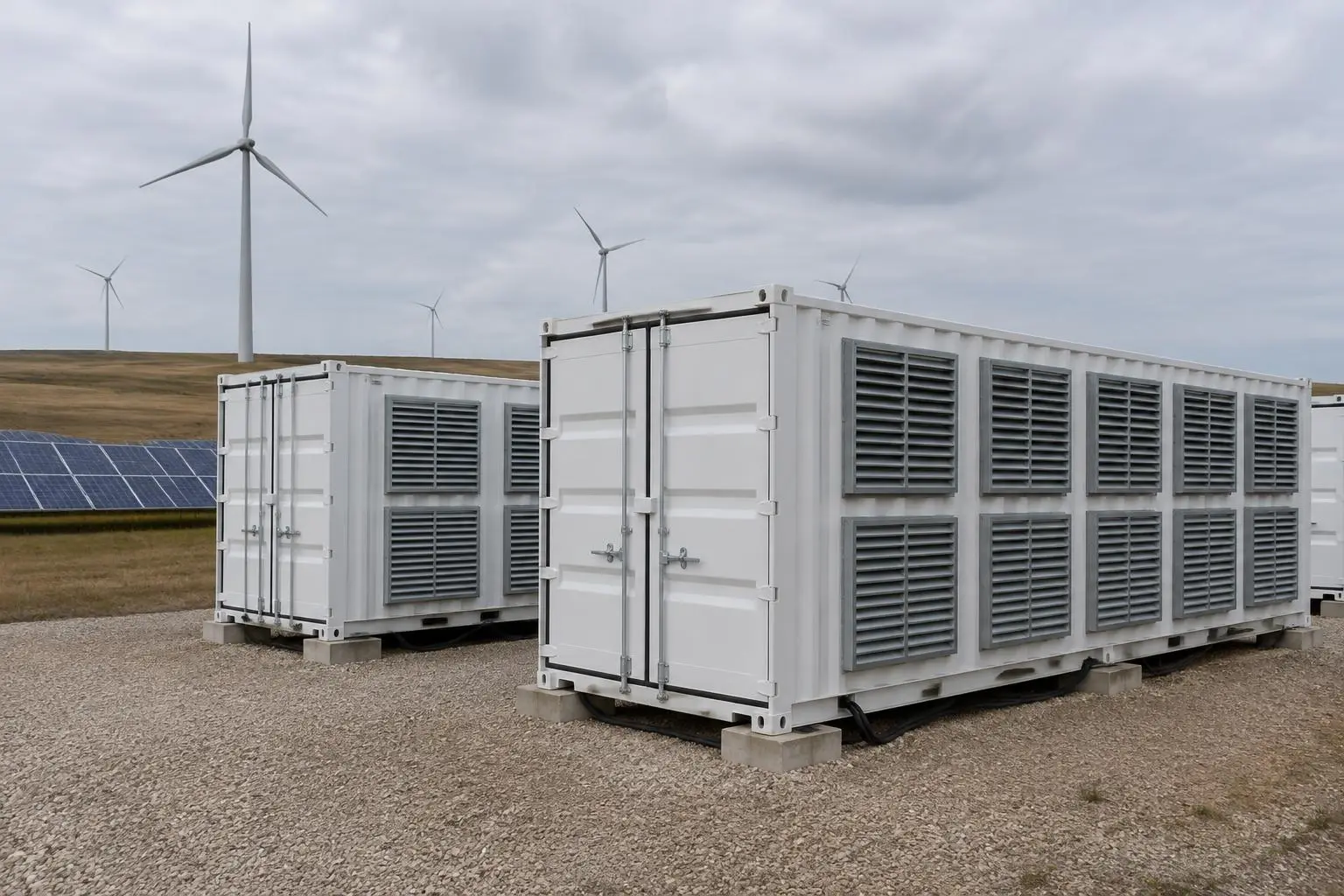
ASIC miner hosting · North Dakota, USA
Professional ASIC Miner Hosting. Powered by Smarter Energy.
Host your cryptocurrency mining equipment with Teraminerhosting. Explore affordable hosting solutions supported by solar and wind energy, advanced cooling technologies and professional equipment management.
Hosting solutions
Three cooling technologies. One professional facility.
Choose the infrastructure that matches your hardware — from standard air-cooled ASICs to hydro and immersion-ready miners.
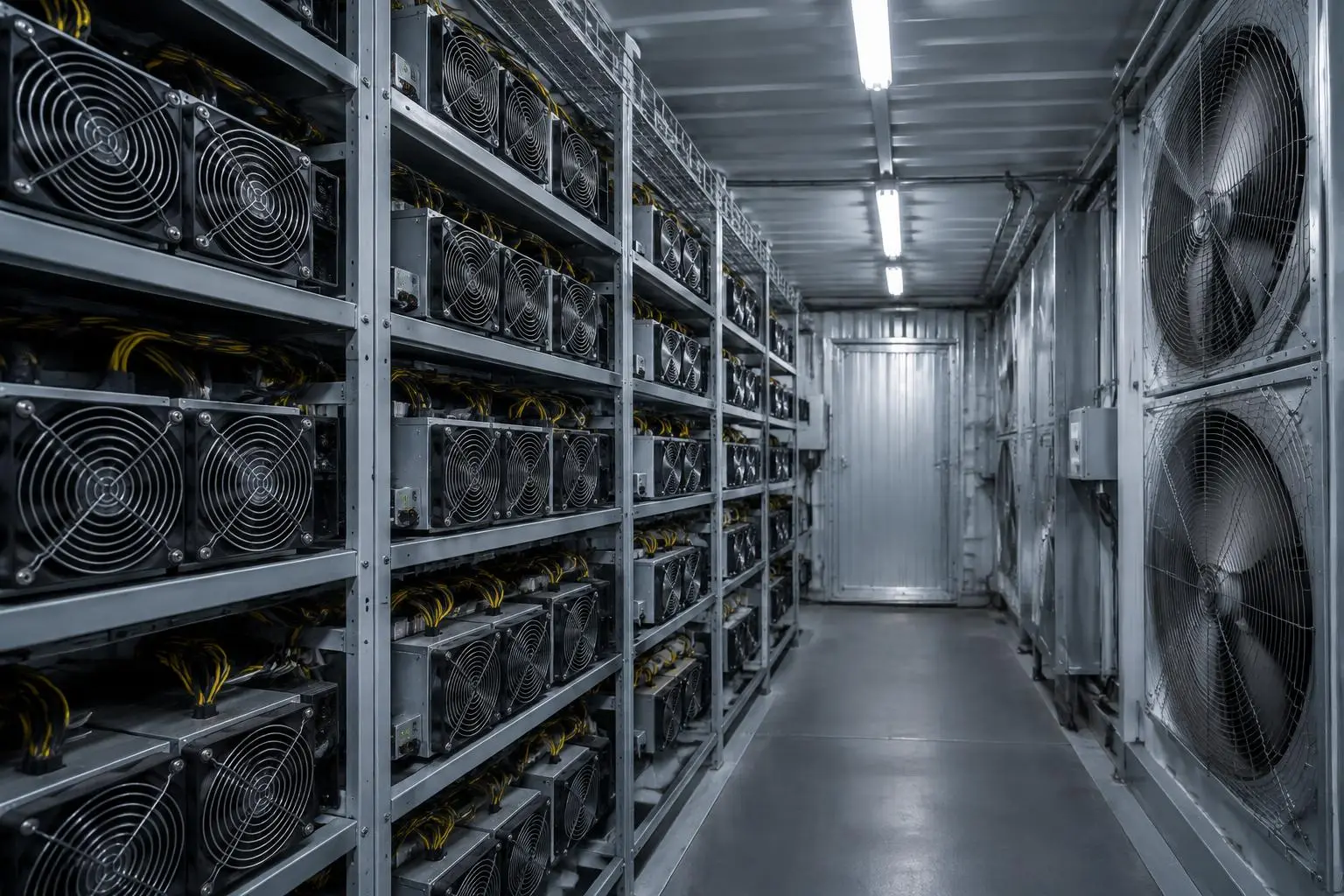
Air-Cooled Hosting
Industrial intake and exhaust airflow engineered for standard air-cooled ASIC miners such as Antminer S-series and Whatsminer M-series.
Learn more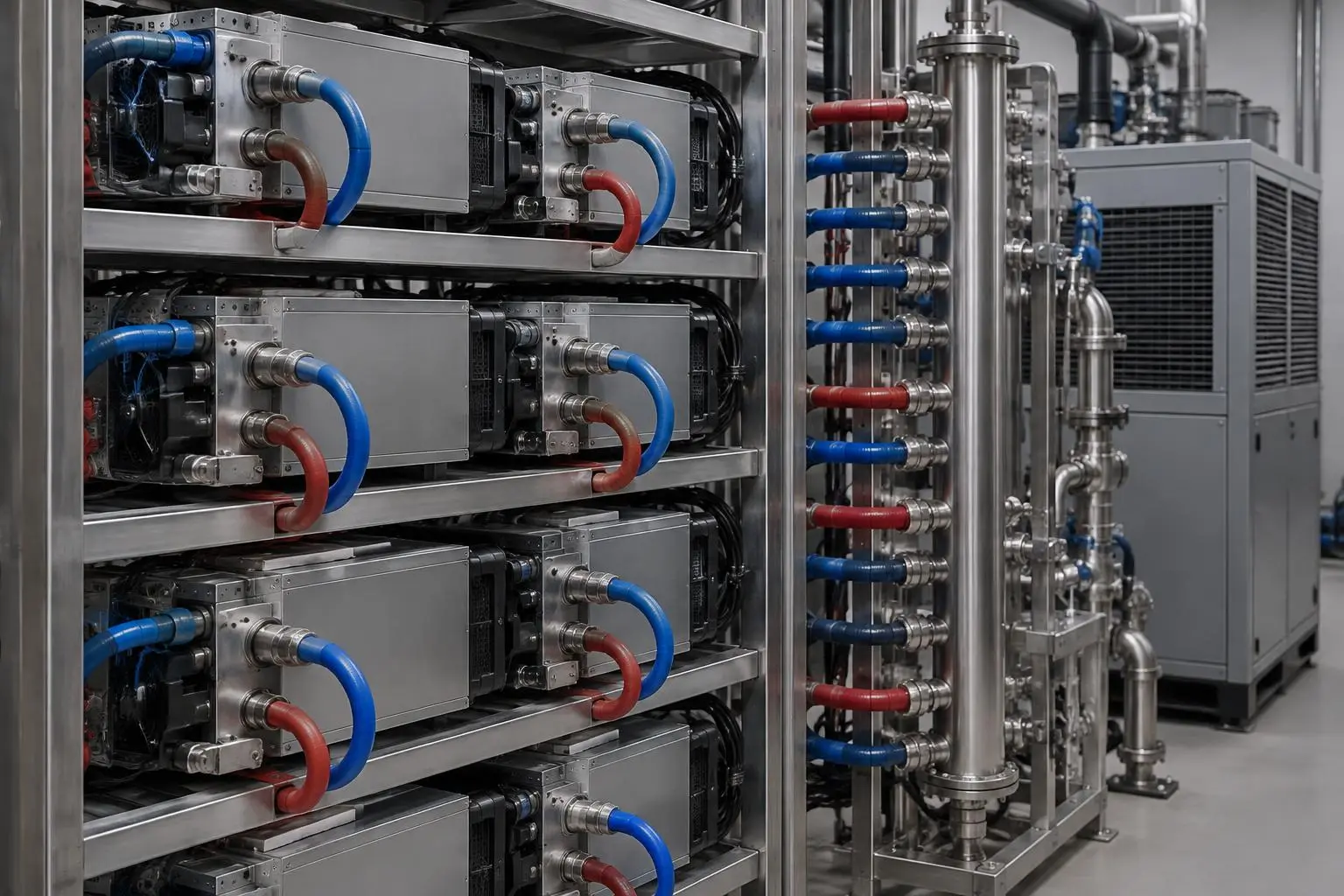
Hydro / Liquid-Cooled Hosting
Coolant distribution, manifolds and dry coolers for hydro-series miners that need direct liquid cooling to run at rated performance.
Learn more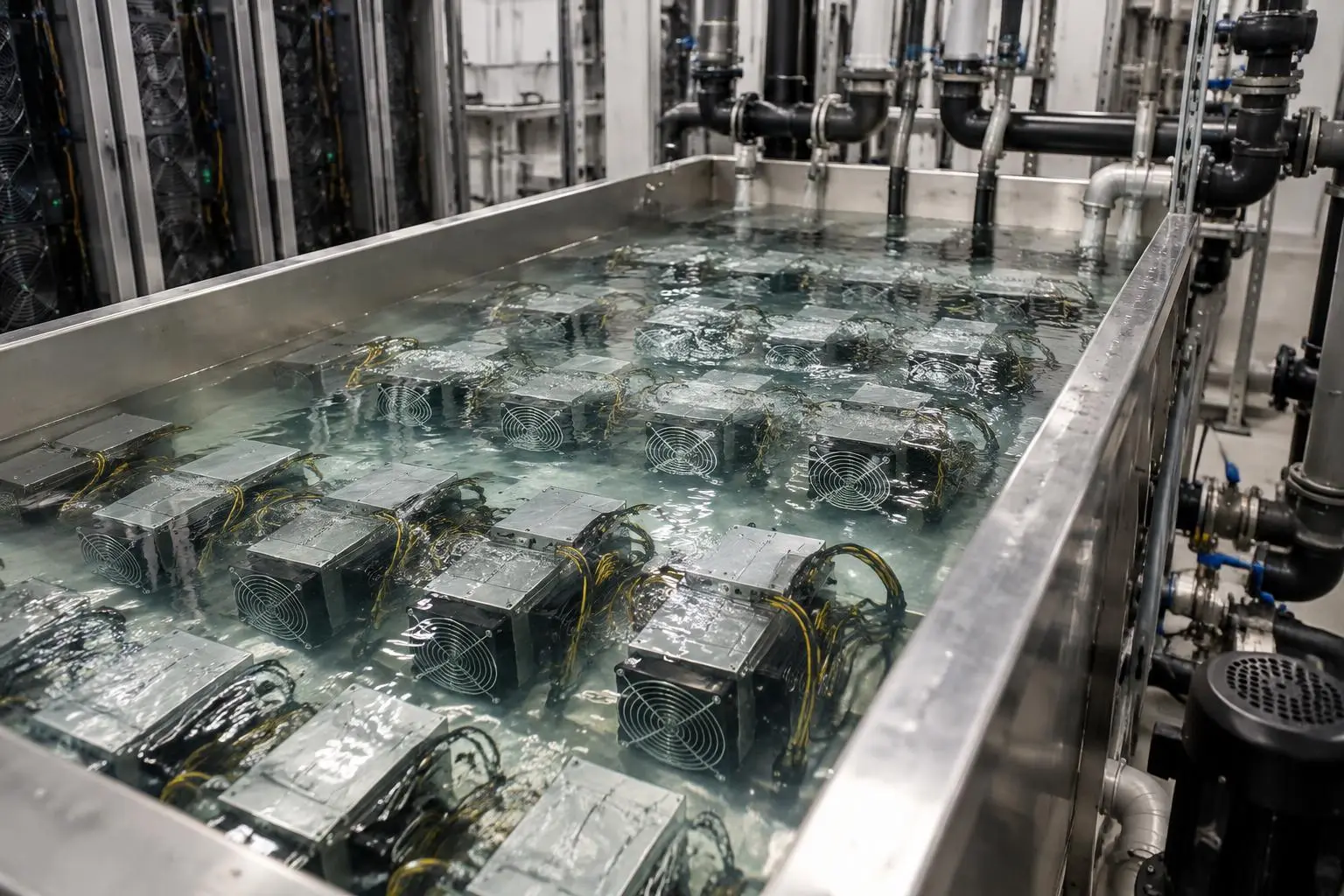
Immersion-Cooled Hosting
Miners submerged in dielectric fluid for stable temperatures, reduced fan noise and dust exposure, and potential for overclocking.
Learn moreGreen energy
Mining with Solar and Wind Energy.
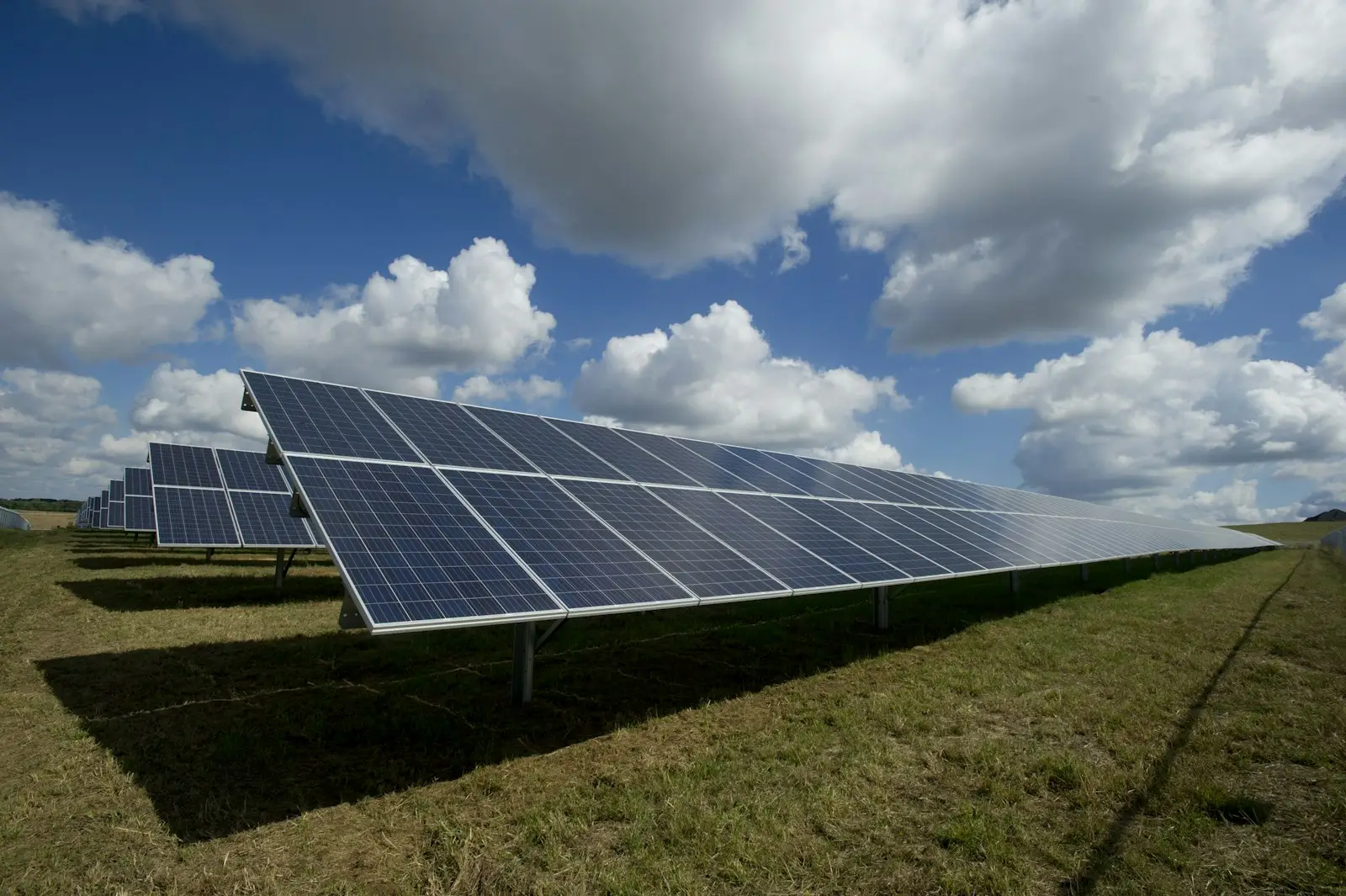
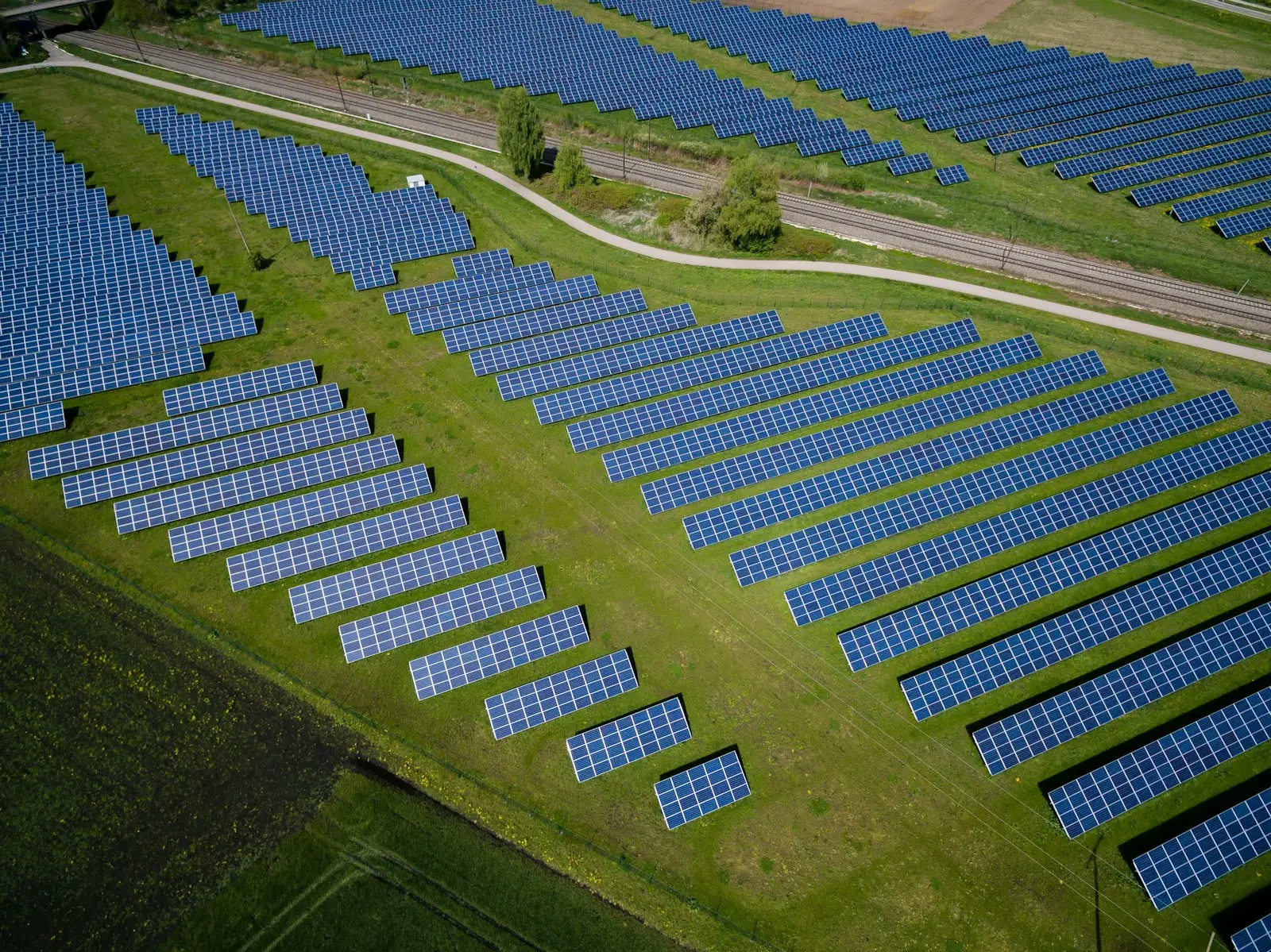
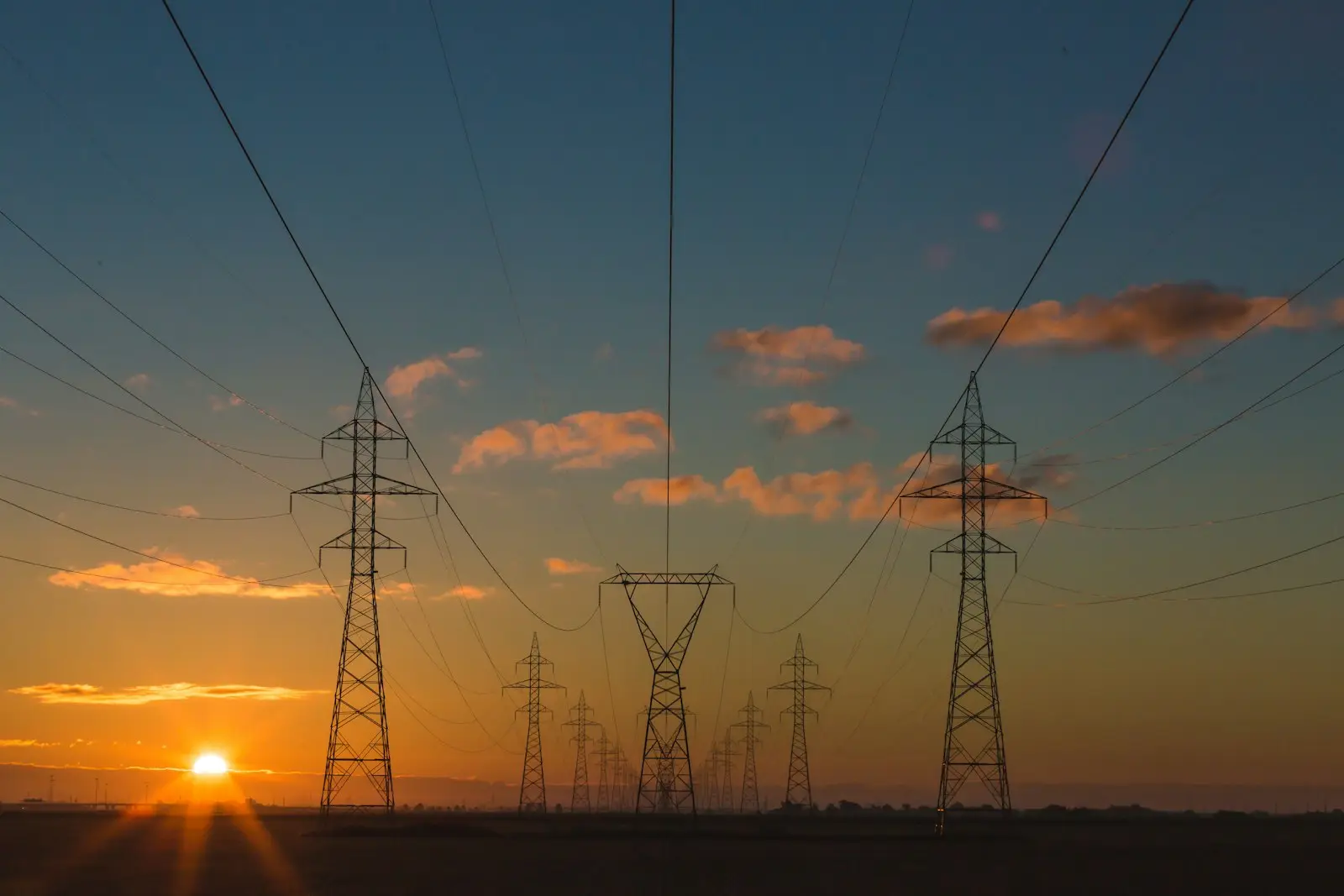
North Dakota offers some of the strongest wind resources in the United States alongside productive summer solar. Our hosting operations rely primarily on solar and wind generation, helping customers lower the environmental footprint of their mining while benefiting from competitive energy costs.
- Access to regional wind generation
- Solar generation supporting daytime load
- Transparent energy-mix reporting on request

Infrastructure
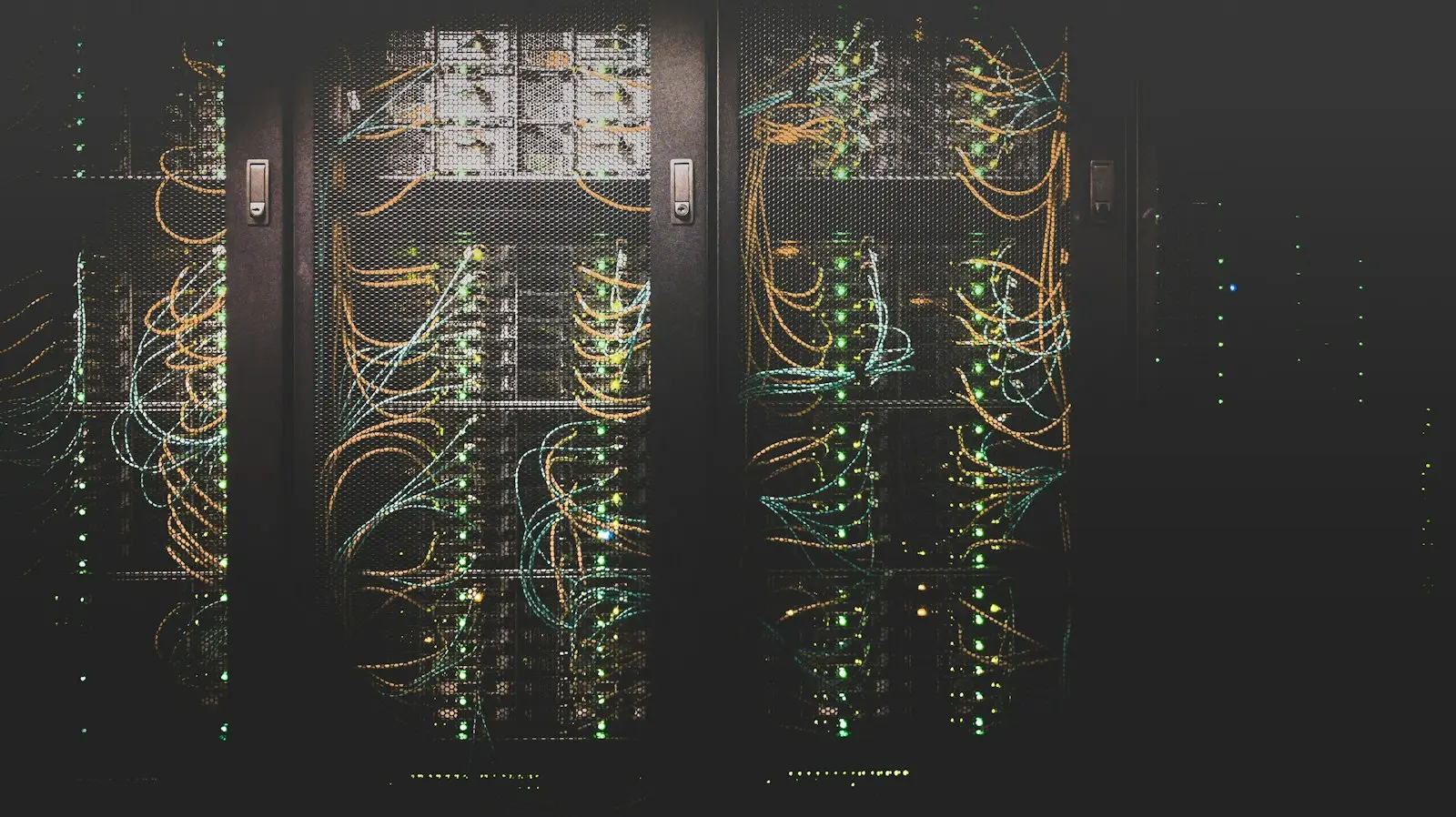
Built like a data centre, designed for mining.
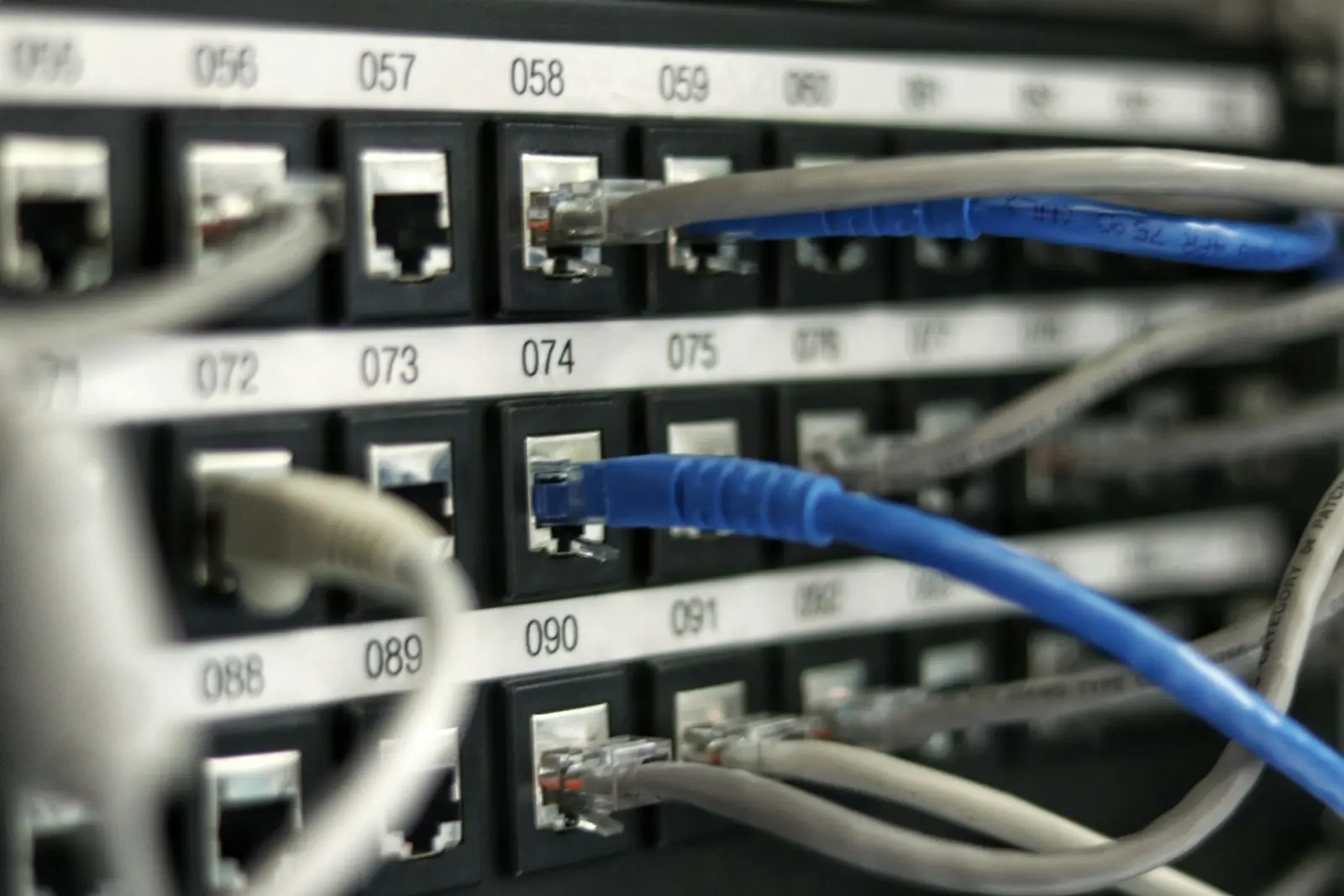
Industrial power distribution, redundant networking and purpose-built cooling — maintained by on-site technicians.
How hosting works
From quote to hashing in six clear steps.
- 01
Request a quote
Tell us your miner models, quantity, power draw and preferred cooling.
- 02
Equipment assessment
Our team reviews compatibility, power and cooling requirements.
- 03
Hosting agreement
We agree terms, service scope and onboarding schedule in writing.
- 04
Equipment delivery
Ship your miners to our facility with tracked logistics.
- 05
Installation & configuration
Technicians rack, connect, configure pools and test each unit.
- 06
Activation & monitoring
Your miners go live with ongoing monitoring and maintenance.
Why Teraminerhosting
Hosting focused on what keeps your miners running.
Renewable-first energy
Operations powered primarily by North Dakota solar and wind generation.
Multiple cooling options
Air, hydro and immersion infrastructure under one provider.
Hands-on technicians
Installation, configuration, repairs and part replacements handled on site.
Secure facility
Controlled access and surveillance to protect customer equipment.
Broad hardware support
Compatible with major ASIC brands, confirmed per model during assessment.
Small to enterprise
Flexible hosting for single units through to large-scale deployments.
Supported equipment
Compatible with leading ASIC brands
We host hardware from the major manufacturers, subject to facility capability and confirmation for each model.
- Bitmain Antminer (S, T and Hydro series)
- MicroBT Whatsminer (M-series)
- Canaan Avalon
- Other SHA-256 and selected altcoin ASICs on request
Hosting pricing
Quotes built around your equipment
Every hosting proposal is customised. We price based on:
- ●Miner models and quantity
- ●Total power requirement (kW)
- ●Preferred cooling technology
- ●Contract length and service level
Air vs hydro vs immersion at a glance
Cooling affects more than temperature: it changes equipment compatibility, service procedures, installation requirements, and the economics of expanding a mining deployment.
| Factor | Air | Hydro | Immersion |
|---|---|---|---|
| Heat removal | Fans move air across heat sinks; facility ventilation carries heat away. | Liquid passes through miner cold plates and transfers heat to an external cooling loop. | Miners sit in dielectric fluid that transfers heat to a heat exchanger. |
| Typical hardware | Factory air-cooled ASICs with integrated fans. | Purpose-built hydro ASICs with specified coolant, pressure, and flow requirements. | Compatible ASICs prepared for immersion; conversion may affect warranty coverage. |
| Density | Often constrained by airflow paths and exhaust management. | Can support dense layouts when piping and heat rejection are properly sized. | Can support dense tank layouts, subject to electrical and cooling limits. |
| Noise | Miner fans are a major noise source. | Less miner fan noise; pumps and heat-rejection equipment still produce sound. | Miner fans are typically removed or disabled; external cooling equipment remains audible. |
| Maintenance | Dust control, fan replacement, and heat-sink inspection. | Leak checks, coolant quality, connections, and flow verification. | Fluid compatibility, handling procedures, and cleaning before some repairs. |
| Relative setup cost | Generally lower cooling-system complexity for standard equipment. | Additional piping, pumps, controls, and heat-exchange infrastructure. | Tanks, dielectric fluid, circulation equipment, and hardware preparation. |
| Best for | Standard hardware deployments prioritizing straightforward installation and servicing. | Hydro-compatible fleets planned around engineered liquid-cooling infrastructure. | Compatible fleets whose operating plan justifies specialized handling and upfront expense. |
What affordable ASIC miner hosting really means
Affordable ASIC miner hosting is about total cost of ownership, not the smallest number in a rate comparison. Start with equipment purchase, freight, installation, and any cooling-specific preparation. Then account for recurring hosting charges, repair expenses, replacement parts, and eventual removal or return shipping. A cheaper-looking proposal can become more expensive if essential services are billed separately or its billing rules do not match your operating plan. Compare written scopes over the same ownership period rather than treating every quote as an equivalent service.
For energy-based billing, estimated consumption in kWh equals average power in kW multiplied by operating hours. Check whether a proposal measures power at the miner, circuit, or another point, and whether cooling overhead is included or separate. Model lower hashprice, rising network difficulty, repair interruptions, and changing asset values instead of relying on one revenue forecast. Mining revenue is not guaranteed. Teraminerhosting pricing is quote-only; use the hosting cost calculator to organize assumptions, then evaluate the full written quote against them.
What is included in hosting? Define the scope before comparing
A hosting agreement should distinguish the operating environment from the work performed on your equipment. Confirm how electrical supply, cooling, network connectivity, installation, monitoring, and routine interventions are treated in the quote. Do not assume that a broad label such as “maintenance” includes replacement fans, board repair, firmware changes, or manufacturer warranty coordination. The useful comparison is a line-by-line scope showing what is included, what requires approval, and what generates an additional charge. This also makes it easier to budget for an aging fleet.
Clarify responsibilities as carefully as charges. Establish who controls pool credentials, payout addresses, firmware settings, and power limits. Ask how equipment identity and condition are documented, how faults are communicated, and what authorization is needed before paid repair work begins. The agreement should also explain billing during interruptions, any curtailment provisions, and the process for withdrawing equipment. Use the miner monitoring and maintenance guide to frame your questions, but treat the written agreement—not a general industry checklist—as the definition of included service.
Who we host for: matching hosting to your operating goals
Hosting can suit an individual miner who wants to separate equipment ownership from managing a dedicated operating environment. The key question is whether the expected economics justify the commitment after all expenses—not whether mining appears profitable on a particular day. Owners moving equipment out of a home or workshop should account for shipping, installation, contract terms, and the loss of immediate physical access. Those trade-offs matter even when avoiding fan noise, excess heat, or electrical upgrades is the main reason for considering hosting.
For fleet owners, the evaluation shifts toward consistency: comparable billing, equipment-level records, repair authorization, and clear procedures for adding or removing miners. A mixed-generation fleet needs particular care because older equipment may have different efficiency and repair economics from newer models. Businesses evaluating a first deployment should separate the hardware investment decision from the hosting decision and test both under conservative assumptions. In every case, define equipment compatibility, ownership responsibilities, and an acceptable downside before deciding whether a proposed hosting arrangement fits.
How energy sourcing fits into a mining decision
Teraminerhosting operations are powered primarily by solar and wind. That describes the primary energy sources; it does not mean every operating hour is supplied exclusively by those sources. Energy sourcing, supply continuity, and miner efficiency are separate questions and should be evaluated separately. Solar and wind output varies with conditions, while ASIC equipment requires a stable electrical supply to operate as intended. An energy-source statement alone therefore cannot establish a particular uptime outcome, hosting cost, or financial return for a miner owner.
For equipment comparisons, look at joules per terahash alongside total power draw and purchase price. Lower J/TH means less energy consumed per unit of hashing work under the stated test conditions, but actual results depend on settings, temperature, and equipment condition. More efficient hardware can still be a poor purchase if its acquisition cost is too high relative to expected revenue. Keep sourcing preferences, operating efficiency, and investment assumptions distinct so that strength in one area does not obscure a weakness in another.
FAQ
Frequently asked questions
What is ASIC miner hosting?
ASIC miner hosting (also called mining colocation) means placing your own mining hardware in a professional facility that provides power, cooling, networking, security and technical care, so you don't have to run the equipment at home or build your own site.
How is the hosting price calculated?
Quotes are based on your miner models, quantity, total power draw, cooling technology and service level. Request a quote and we will prepare a customised proposal — we don't publish a fixed rate card.
Is your facility powered by renewable energy?
Our operations rely primarily on solar and wind energy in North Dakota. Exact energy-mix figures are shared during the quotation process and are not represented as 100% renewable.
Which cooling option is right for my miners?
Standard air-cooled ASICs are usually hosted in air-cooled infrastructure. Hydro-series miners require liquid cooling, and immersion is available for compatible units. Our team recommends the best fit after reviewing your equipment.
Do you guarantee mining profits?
No. Teraminerhosting is a hosting and infrastructure provider. Mining revenue depends on network difficulty, coin prices, hardware efficiency and other factors outside our control.
Can you host small quantities of miners?
Yes. We work with individual miners as well as medium and enterprise-scale operators. Minimum quantities, if any, are confirmed in your quote.
How should I compare quotes that use different billing units?
Convert each proposal into an estimated total charge for the same equipment, power draw, and operating period. Separate recurring charges from installation, deposits, repairs, and shipping. If one proposal uses metered consumption and another uses a fixed monthly charge, check their interruption and minimum-payment provisions before deciding which is less expensive.
Does undervolting always reduce the total cost of mining?
No. Undervolting may improve energy efficiency, but it can also reduce hashrate or introduce instability if settings are unsuitable. The economic result depends on power savings, lost hashing output, and any additional troubleshooting. Confirm firmware permissions and warranty implications, then compare measured performance rather than assuming a lower power draw produces a better return.
What should I document before shipping a used ASIC?
Record the serial number, model, accessories, visible condition, and available operating logs. Photograph the equipment and packaging, and note any known faults or previous modifications. Follow applicable shipping and manufacturer packaging guidance. Clear records help distinguish pre-existing issues from transit damage and make receiving inspections easier to reconcile.
Why should a hosting agreement address equipment removal?
Removal terms affect the cost and flexibility of ending or changing a deployment. Check notice requirements, outstanding-payment rules, deinstallation charges, packaging responsibilities, and freight arrangements. Also clarify how equipment condition will be recorded before dispatch. These details matter when selling miners, replacing older models, or deciding that continued operation no longer makes economic sense.
Ready to Host Your ASIC Miners?
Share your equipment details and our team will prepare a customised hosting quotation.