
Hosting services
Bitcoin Mining Hosting and Colocation Services
Bitcoin mining hosting services that give your ASIC miners a complete home for your mining hardware: reliable power, purpose-built cooling, secure racking and technicians who look after your machines every day.
What is hosting
Your miners, our infrastructure
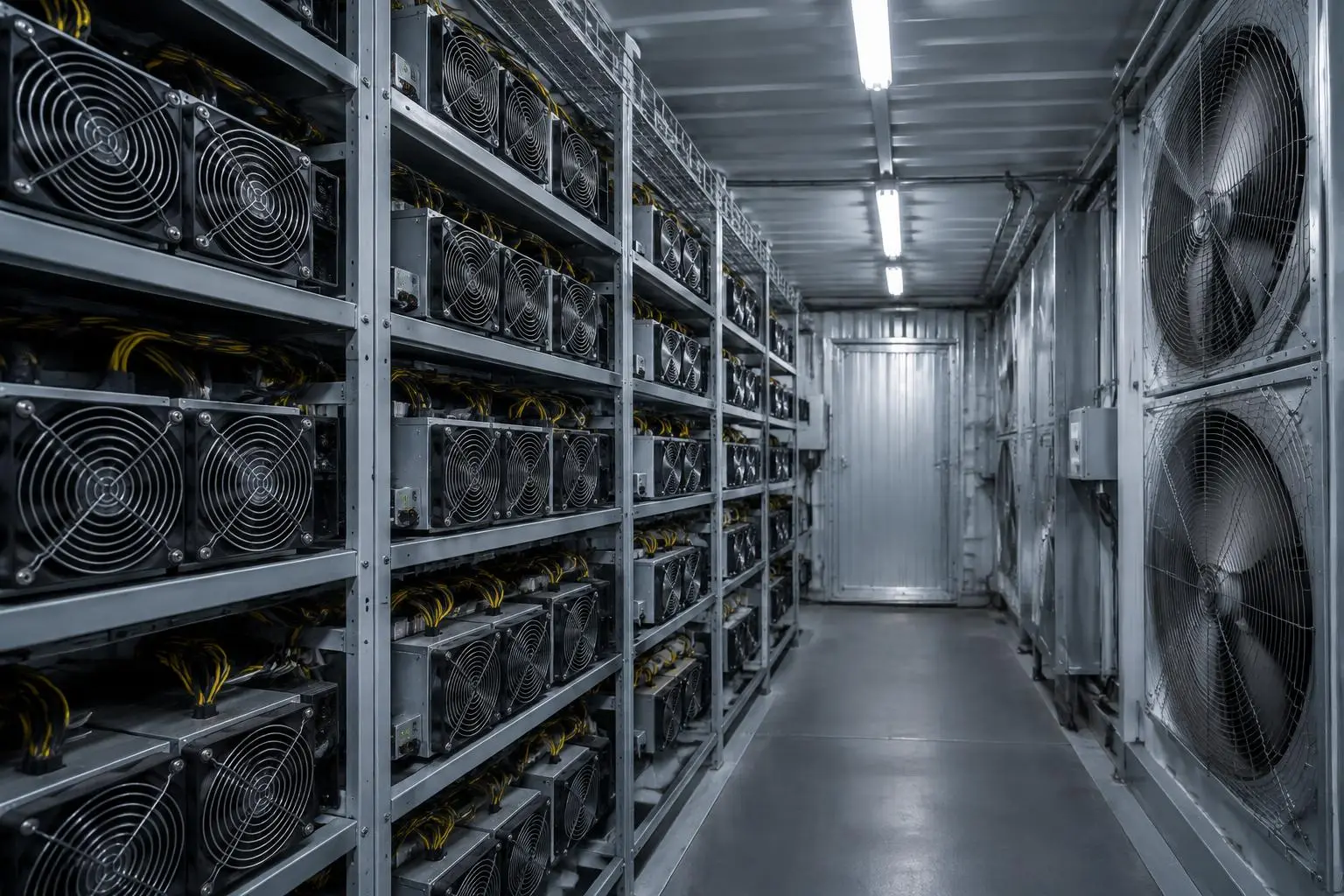
ASIC miner hosting lets you own mining equipment without running it at home or building your own site. You ship your machines to our North Dakota facility, and we provide the electrical capacity, cooling, networking, security and hands-on support they need.
You keep full ownership of your hardware and mining rewards, which are paid directly to your own pool account and wallet.
Who it's for
Hosting for individuals and enterprise operators
Whether you own a handful of miners or are deploying a large fleet, our team scopes the right cooling technology and service level for your equipment.
- Individual miners with one or more units
- Small and medium mining businesses
- Enterprise and institutional deployments
- Operators relocating from higher-cost regions

Energy
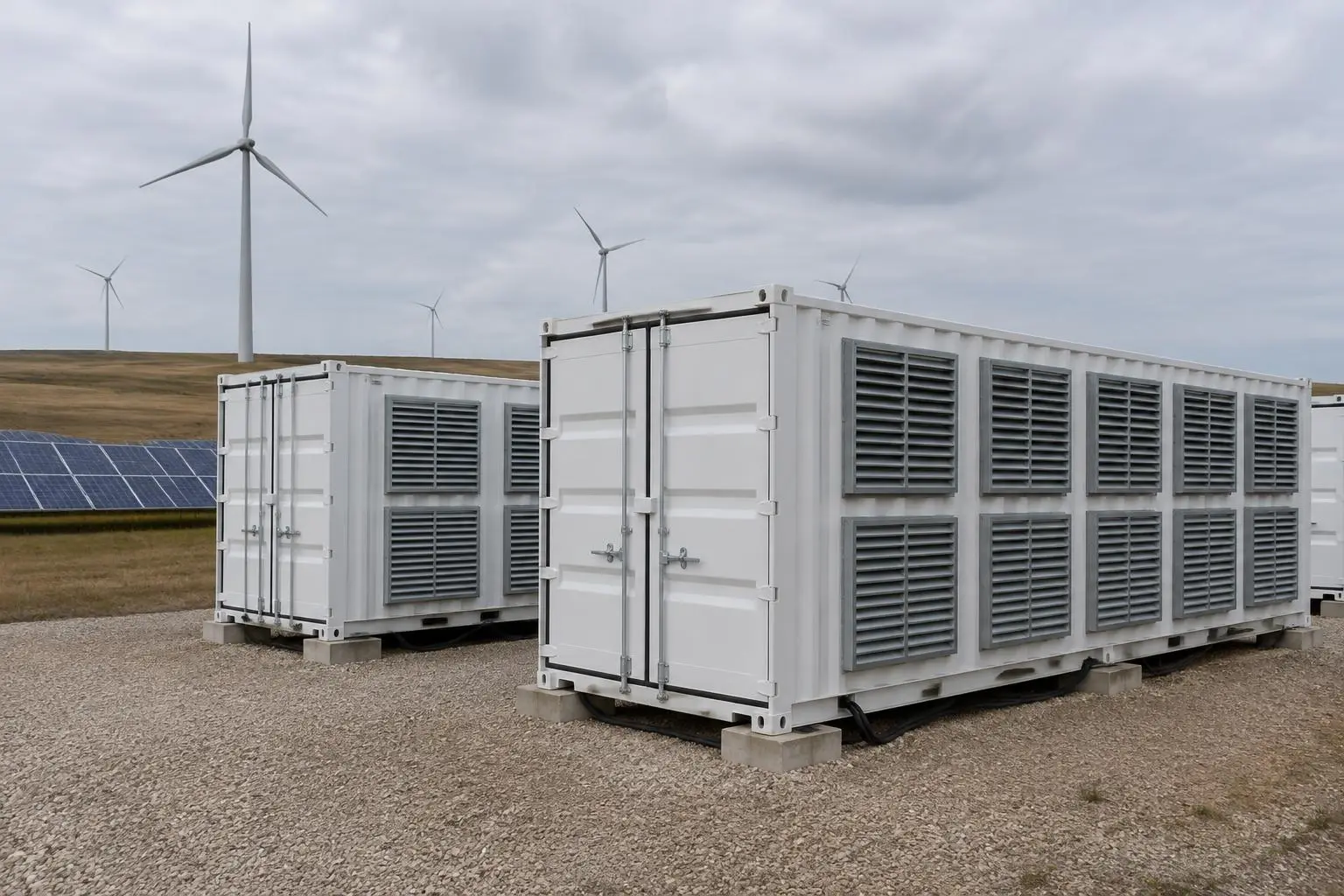
Powered primarily by solar and wind
Our operations rely primarily on solar and wind generation in North Dakota. Detailed energy-mix information is shared during the quotation process.
What's included
Power & electrical
Industrial power distribution sized to your fleet's requirements.
Cooling
Air, hydro and immersion infrastructure matched to your hardware.
Installation
Racking, cabling, firmware checks and pool configuration.
Monitoring
Continuous monitoring of hashrate, temperature and uptime.
Maintenance & repairs
Fan and PSU replacements, cleaning and hashboard diagnostics.
Security
Controlled facility access and surveillance.
Bitcoin mining hosting services: what hosting and colocation mean
Bitcoin mining hosting services let you operate ASIC miners in a facility designed to support sustained electrical loads and continuous heat removal, rather than running the equipment yourself at home. The customer typically owns the miners, while the hosting agreement defines the infrastructure and operational support provided around them. Those responsibilities can include electrical delivery, cooling, rack space, connectivity, monitoring, and specific maintenance tasks. Ownership of the hardware does not automatically establish who controls pool settings, firmware, or repairs; those details belong in the agreement.
Crypto mining colocation generally emphasizes the infrastructure supporting customer-owned equipment. Managed hosting may add hands-on work such as deployment, troubleshooting, cleaning, or repair coordination. These terms are not standardized, so compare written scopes rather than service labels. ASIC miner hosting services also differ from cloud mining: hosting usually concerns identifiable physical machines, while cloud mining sells access to contracted computing power. For Bitcoin, equipment must support the SHA-256 algorithm; an ASIC designed for another algorithm cannot simply be redirected to mine Bitcoin.
The practical decision is about dividing responsibility. You need to know who purchases and ships equipment, approves configuration changes, pays for replacement parts, and handles removal at the end of the term. A clear agreement also explains how electricity is measured and how service interruptions affect billing. Hosting can reduce the infrastructure work you manage personally, but it does not remove equipment risk or market exposure. Mining revenue is not guaranteed, and operating costs continue to matter when Bitcoin prices or mining difficulty change.
Hosted vs home mining
Compare the work and costs involved in each approach, not just the advertised electricity price.
| Consideration | Hosted mining | Home mining |
|---|---|---|
| Electrical setup | The agreement should specify supported electrical requirements, metering, and billing responsibilities. | You must verify circuit suitability, available service capacity, and any electrical upgrades with a qualified electrician. |
| Heat and noise | Cooling and equipment placement are infrastructure responsibilities to confirm in the service scope. | You manage fan noise, exhaust heat, ventilation, and the effect on surrounding rooms. |
| Daily operations | Monitoring and hands-on tasks depend on the contracted service level. | You inspect equipment, investigate alerts, restart machines, and arrange repairs yourself. |
| Equipment access | Physical access, service requests, and removal procedures follow the agreement. | You retain direct physical access, making inspection and configuration changes easier. |
| Cost structure | Evaluate electricity, service charges, deployment fees, repairs, and exit costs together. | Include electricity, electrical work, ventilation equipment, connectivity, and your own labor. |
| Expansion | Additional deployments depend on compatibility, contractual terms, and available infrastructure. | Additional miners can require changes to electrical service, ventilation, and usable space. |
What’s included: define the service scope before deployment
A hosting proposal should address each function below. Treat this as a scope guide, not an assumption that every task is included in a base charge.
- 01
Power delivery and measurement
Confirm the miner’s input voltage, connector requirements, and expected operating draw before deployment. The agreement should explain whether billing uses measured consumption, a contracted power allocation, or another defined method. Ask how power-supply losses, cooling overhead, and periods when a miner is offline are treated. These details determine whether competing quotes are comparable.
- 02
Cooling and heat removal
Cooling must match the equipment design. Air-cooled units require suitable airflow and exhaust management; hydro-cooled and immersion systems have different fluid, connection, and compatibility requirements. Establish who manages temperature-related alerts and operating adjustments. Do not assume an air-cooled miner can be converted to another cooling method without hardware changes or warranty implications.
- 03
Racking and deployment
Racking covers more than placing a machine on a shelf. Intake records, serial-number tracking, cable routing, labeling, and deployment checks help connect each physical unit to its operating data. Ask which receiving and setup tasks are included, whether packaging is retained, and what evidence documents equipment condition when it arrives.
- 04
Network connectivity
Miners need a working connection to submit shares to a mining pool. Confirm responsibility for network configuration, pool endpoint changes, and connection troubleshooting. Bandwidth alone is not the main concern: connection stability matters because interrupted communication or delayed work submission can reduce accepted shares, even while a miner remains powered on.
- 05
Monitoring and alerts
Define which measurements are tracked, who receives alerts, and who is expected to act. Useful indicators include hashrate, temperature, fan behavior, rejected shares, and device availability. Pool-side reporting and device-side reporting serve different purposes. Review how discrepancies are investigated rather than treating one dashboard reading as a complete view of performance.
- 06
Maintenance and repair boundaries
Separate routine operating tasks from chargeable repairs. A restart, cleaning, firmware change, fan replacement, and hashboard repair are different interventions with different risks and costs. Specify approval thresholds, parts ownership, warranty coordination, and return shipping. For a closer look at these distinctions, review miner monitoring and maintenance considerations.
Who hosting is for: individual, small business, and enterprise
Individual miners may consider hosting when electrical work, heat, noise, or hands-on upkeep makes home operation impractical. The most useful starting point is a machine-level budget: equipment purchase, delivery, deployment, recurring charges, and a repair reserve. For a first deployment, clarity matters more than a long feature list. Understand which settings you control, how to identify your equipment, what happens if a unit stops hashing, and how you retrieve it. A small deployment still needs written service and exit terms.
Small businesses often need a repeatable operating process rather than ad hoc troubleshooting. Useful requirements include an equipment register, consistent billing records, defined repair approvals, and reports that distinguish electricity expense from other charges. If several people share responsibility, identify who can change pool settings, authorize work, and approve additional spending. Expansion should follow a reviewed operating budget rather than a short period of strong mining revenue. Compare the cost of managing the fleet internally with the full cost of contracted support.
Enterprise buyers typically need more detailed coordination between procurement, finance, technical operations, and legal teams. Evaluation should cover deployment sequencing, asset reconciliation, reporting formats, change controls, and responsibility for exceptions. A fleet with mixed models may need different power or cooling arrangements, so compatibility should be reviewed at the model level rather than assumed across a manufacturer’s lineup. Contract terms should also address equipment transfers, phased removals, and how billing changes when machines enter service, leave service, or await repair.
Choosing a hosting provider: checklist
A useful provider comparison starts with the same equipment list and operating assumptions for every proposal. Record the exact model, quantity, expected power draw, cooling type, and intended configuration. Then ask each provider to describe the same responsibilities in writing. This prevents a narrow infrastructure quote from appearing cheaper than a broader managed-service quote simply because labor, setup, or overhead is listed elsewhere. Compare the complete agreement, including schedules and exclusions, rather than relying on a summary of features.
Look for clear handling of exceptions, not just normal operation. Equipment can arrive damaged, lose a fan, experience unstable hashrate, or require warranty service. The agreement should identify the decision-maker, communication process, and billing treatment for those situations. Also distinguish operational reporting from contractual remedies: receiving an alert does not establish a repair obligation or service credit. Where a term is important to your economics, ask for an explicit definition rather than assuming a familiar industry phrase has a universal meaning.
- Compatibility: verify exact models, electrical specifications, cooling requirements, and permitted firmware or operating modes.
- Asset records: require serial-number reconciliation and a process for documenting arrival condition and equipment transfers.
- Billing: identify the measurement method, recurring charges, minimum commitments, deposits, and adjustment provisions.
- Service boundaries: distinguish included troubleshooting from separately authorized labor, parts, and external repairs.
- Control and accountability: establish permissions for pool changes, firmware updates, reboots, and performance adjustments.
- Interruptions: review curtailment provisions, notification procedures, and any applicable billing treatment or remedies.
- Exit terms: check notice requirements, outstanding charges, packing responsibilities, shipping arrangements, and release conditions.
How hosting pricing works
Hosting pricing is quote-only. A useful quote needs the miner model, equipment quantity, cooling requirements, and expected operating configuration because these affect electrical demand and deployment work. Ask for a line-item explanation of recurring and one-time charges, including any setup, service, repair, or removal fees. The lowest headline electricity figure does not necessarily produce the lowest total operating cost. Review hosting pricing considerations alongside the actual contract so that included services and exclusions remain visible.
For metered electricity, the basic calculation is energy in kilowatt-hours equals average power in kilowatts multiplied by operating hours. Cost then depends on the applicable quoted charges and billing method. Nameplate power is a starting estimate, not a substitute for measured consumption; firmware settings, equipment condition, and operating conditions can change draw. Use the hosting cost calculator to model your assumptions, then reconcile the estimate with the written quote, including any fixed charges or overhead not represented in the calculation.
Keep operating-cost estimates separate from revenue forecasts. Bitcoin price, network difficulty, transaction fees, pool charges, and accepted hashrate can all change the outcome. Test less favorable scenarios and include equipment purchase costs and a repair reserve when evaluating the broader investment. Also check how billing works during maintenance, equipment faults, or curtailment. Mining revenue is not guaranteed, and a calculator result is not a promise of profitability. The goal is a transparent budget with identifiable assumptions, not a single optimistic payback date.
FAQ
Common questions
Do I keep ownership of my miners?
Yes. You retain full ownership. Mining rewards go directly to your own pool account.
Can you source miners for me?
We focus on hosting. If you need help sourcing equipment, mention it in your quote request and we can discuss options.
Where is the facility?
Our hosting operations are located in North Dakota, USA.
Do you guarantee mining revenue?
No. We provide hosting infrastructure and services. Mining revenue depends on network difficulty, coin prices and hardware efficiency, which are outside our control.
What records should I prepare before shipping a miner?
Prepare an inventory with model names, serial numbers, and included accessories. Photograph the equipment and packaging, and retain purchase records and any relevant warranty documentation. Confirm receiving instructions before shipment, including labeling requirements and responsibility for shipping damage claims. Agree on how arrival condition and inventory discrepancies will be documented so there is a clear record before deployment.
Why can pool hashrate differ from the miner’s dashboard?
A miner’s dashboard generally reports device-side performance, while a pool estimates hashrate from submitted shares over a measurement window. Short-term variance is normal because share discovery is probabilistic. Persistent differences can indicate rejected shares, connectivity issues, configuration problems, or hardware faults. Compare readings over consistent time periods and review accepted and rejected shares before concluding that a machine is underperforming.
Should aftermarket firmware be approved before deployment?
Yes. Firmware can change electrical draw, thermal behavior, monitoring compatibility, and warranty eligibility. Some firmware also introduces developer fees or different management requirements. Obtain approval for the exact firmware and operating profile rather than assuming all configurations are acceptable. Define who installs updates, retains configuration records, and restores a stable version if an update causes problems.
How should warranty repairs be handled in a hosting agreement?
The agreement should identify who verifies warranty eligibility, opens the manufacturer claim, removes the equipment, and arranges shipping. It should also distinguish warranty-covered work from handling charges, diagnostics, and transport costs. Ask whether approval is required before disassembly or third-party repair, since unauthorized work may affect coverage. Billing while equipment is awaiting repair should be addressed separately.
What does a curtailment clause mean for mining operations?
A curtailment clause describes circumstances in which electrical consumption may be reduced or stopped. Review who can initiate curtailment, whether notification is required, and how it affects billing and any service commitments. Reduced operating time generally means fewer opportunities to submit accepted shares. Do not assume that every interruption qualifies for a credit or that all agreements treat curtailment the same way.
Can hosted equipment be sold without immediately shipping it out?
A sale and a hosting-account transfer are separate matters. An agreement may require ownership documentation, settlement of outstanding charges, and approval of a new hosting arrangement before equipment changes accounts. Confirm how serial-number records, pool settings, and billing responsibility will be updated. Do not assume a hardware sale automatically transfers the existing contract, deposit, or service terms.
Ready to Host Your ASIC Miners?
Share your equipment details and our team will prepare a customised hosting quotation.